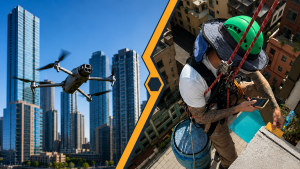


Preventative facade maintenance is critical to keeping multi storey buildings safe, compliant, and structurally sound. Regular inspections help identify early signs of deterioration, reduce long term repair costs, and ensure building exteriors withstand weather, environmental exposure, and daily wear.
This Rope Access Facade Maintenance Checklist provides a clear overview of what a professional facade inspection involves. It covers pre inspection planning, hands on exterior building inspection, and detailed reporting. It also explains how industrial rope access allows technicians to safely assess high rise facades with minimal disruption.
Download the checklist to understand what should be reviewed during a comprehensive facade inspection and how preventative building maintenance protects your asset over time.
The Facade Maintenance Process
Our rope access facade maintenance process is designed to support facade safety compliance, identify emerging defects early, and provide transparent reporting for building owners and managers. Each stage follows Australian Standards and industry best practice for high rise maintenance.

Pre-Inspection Planning
Before any abseiling work begins, our team conducts a detailed pre inspection to ensure safety, efficiency, and inspection accuracy. This stage includes the following steps:
- Ground level assessment – Identify potential problem areas, exposure to weather, access constraints, and visible signs of deterioration to form an inspection plan.
- Equipment and work area inspection – Review all building mounted height safety systems, anchor points, and overhead rails to confirm they are compliant and fit for purpose.
- Weather assessment – Confirm safe conditions for industrial rope access activities.
- Safety and planning briefing – Assign inspection responsibilities and outline site specific risks and priorities.
Thorough pre inspection planning ensures a safe, efficient, and targeted facade inspection.
On-Site Inspection and Assessment
During the on site phase, our rope access technicians use industrial abseil techniques to conduct a close up exterior building inspection of the entire facade. This hands-on assessment focuses on the following:
- Identifying cracks, spalling, corrosion, failed sealants, water ingress, and other signs of deterioration.
- Assessing the condition of protective coatings, membranes, and finishes.
- Reviewing previous repair works and identifying workmanship related issues.
- Determining root causes of defects to support long term preventative building maintenance.
All findings are documented in real time using the Anchor Safe compliance app. Technicians capture high resolution images, annotate defects, and compile a comprehensive building condition report.
Reporting and Recommendations
Following inspection, all data is consolidated into a clear, structured report designed to support informed decision making. Reports include the following:
- Annotated photos and diagrams identifying each defect.
- Priority based recommendations for repairs and maintenance.
- Clear separation between urgent issues and long term preventative works.
- Practical strategies to extend facade lifespan and maintain compliance.
Our reporting process ensures transparency, clarity, and alignment between building managers, owners, and maintenance teams.
Anchor Safe Rope Access Facade Inspection Checklist
This checklist demonstrates our consistent, compliant, and detailed approach to high-rise facade maintenance:
- Check all building-mounted height safety systems and Industrial Rope Access anchor points for compliance.
- Check window seals, caulking and expansion joints for integrity using non-destructive testing methods.
- Inspect all glazing for cracks, chips and damage.
- Inspect the conditions of paint, membrane, texture, and protective coatings.
- Assess the condition of any stucco or concrete render by tap testing.
- Check for the presence of any spalling, cracked or damaged concrete.
- Check any brickwork and mortar for signs of damage and defects.
- Check down pipes and other metal exterior fixtures for signs of rust and corrosion.
- Inspect the waterproofing envelope.
- Assess for any evidence of leakage or water intrusion.
- Inspect capping, ventilation vents and flashing.
- Inspect the condition of bird scare/protection.
- Inspect the condition of any balconies, stairs, garden walls, pergolas, or decks.
- Assess the condition of any rooftop skylights, vents, or chimneys.
- Identify and inspect any previous repair works.
- Identify and inspect any issues caused during build/renovations.
- Identify and inspect any issues caused by weathering or exposure to the elements.
- Identify and inspect any possible damage caused by facade cleaning/pressure washing.
- Review the facade’s overall appearance.
- Review the facade’s overall cleanliness and the build-up of any contamination or pollutants that may cause problems in the future.
- Review ongoing facade inspection & cleaning schedule.

Summary
Maintaining multi storey facades requires a trusted rope access services provider capable of delivering safe access, accurate inspection, and transparent reporting. Without detailed documentation, building owners and managers are left relying on limited visibility and unclear maintenance outcomes.
A reputable provider supports this process through comprehensive inspections, visual evidence, and structured reporting. This allows informed decisions around building facade repair and preventative maintenance.
If you are unsure whether your current provider meets these standards, read our guide to choosing the right rope access service provider or contact our team to discuss your facade maintenance requirements.
FAQ
-
How much does a facade inspection cost?
Costs vary depending on building height, complexity, accessibility, and reporting requirements. Anchor Safe Rope Access provides tailored quotes following an initial assessment to ensure cost effective commercial building maintenance planning.
-
How often is a facade inspection required?
Most commercial buildings should undergo a facade inspection every two to three years. Buildings exposed to harsh environments, ageing materials, or previous defects may require more frequent inspections to maintain facade safety compliance.
-
What is the standard for facade inspection?
A professional facade inspection follows relevant Australian Standards, building codes, and industry guidelines. It includes assessing structural integrity, height safety systems, waterproofing, and facade elements, supported by a documented building condition report.
-
Who is the competent person for facade inspection?
A competent person is a qualified professional experienced in facade maintenance services, height safety systems, and industrial rope access. At Anchor Safe Rope Access, inspections are carried out by certified rope access technicians trained to safely assess, document, and recommend corrective actions.
Author Bio
Brad Love is a veteran of the rope access painting and decorating industry, with over 47 years of experience under his belt. Brad is the Service Design and Estimator at Anchor Safe Rope Access and a trusted voice in the painting and decorating community.
Anchor Safe Rope Access
Proudly Australian-owned and backed by the strength of a national height safety leader, Anchor Safe Rope Access are proven and respected provider of external high-rise cleaning, painting and maintenance. Our Rope Access teams are highly skilled and accredited height safety specialists as well as trade-certified technicians, so you can trust Anchor Safe Rope Access to provide award-winning services at competitive prices.